
Compact laser head
Fits into marking stations and automated lines with limited space.

Applications Laser marking
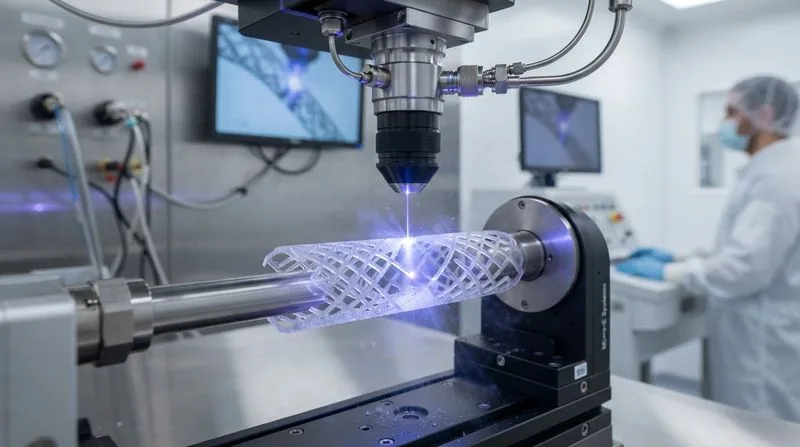
Permanent, high-contrast marks on stainless steel, titanium and glass that survive passivation, autoclaving and cleaning, without creating corrosion sites.
[value] cycles
Autoclave cycles with no loss of contrast.
0
Corrosion sites after passivation testing.
[value] mm/s
Marking speed for a [size] UDI code.
From problem to process
01 · Problem
Nanosecond marking melts and oxidises the surface. On medical instruments and implants these marks can fade after passivation or autoclaving, and the melted zone can start to corrode.
02 · Requirement
03 · Process
Femtosecond pulses create a fine structure on the surface that absorbs light and appears black, at any viewing angle. The material is not melted, so the protective layer stays intact.

Fits into marking stations and automated lines with limited space.

No chiller, so marking stations stay compact and quiet.
Consistent contrast from the first code to the last.

Standard interfaces connect to marking software and line controllers.
Evidence
Microscope images from LITILIT test runs. Every sample lists its material, thickness and magnification.
[Customer] validated femtosecond marking for [device type] and replaced their nanosecond process. Here is the test data.
Read the case studyStarting parameters from our lab. Your material, thickness and design will move them, so we confirm every number on your own samples.
The laser we recommend for this process.
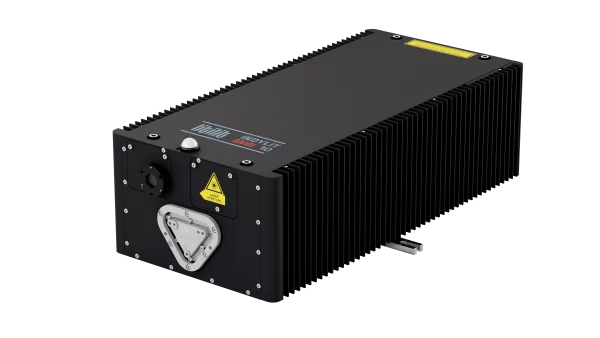
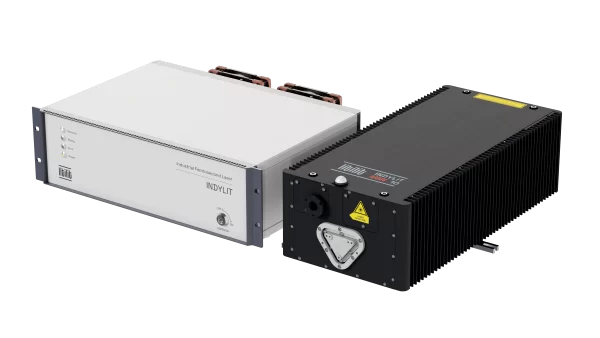
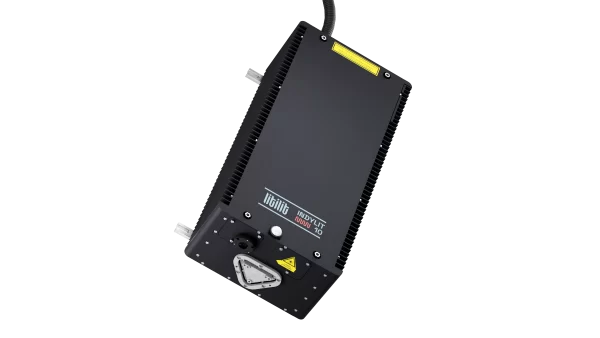
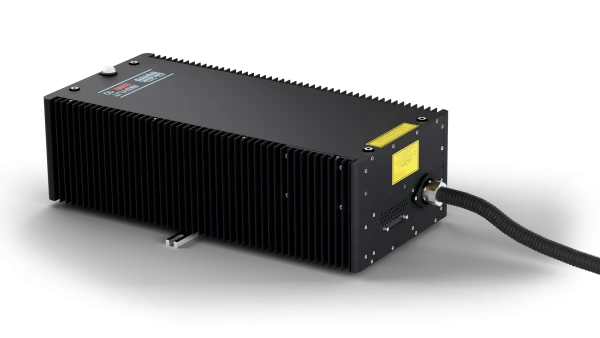
10 W and up to 100 µJ pulses for high-contrast black marking of metals.
 380 fs pulses
 Up to 2 MHz
 Passively air cooled

Ship samples to our Vilnius application lab. We mark them, run cleaning tests on request and send back the parts with photos and parameters.
Tell us the material and the result you need. A laser engineer replies within [response time].
Ask about lead times, volume pricing, supply capacity and long-term availability.
Request a quote