
Compact laser head
Integrates into small micromachining stations and multi-axis cells.

Applications Precision mechanics
Micro-drilling, cutting and texturing with micron tolerances and no burrs. Parts come off the machine finished, without deburring or post-polishing.
± [value] µm
Positioning tolerance on drilled features.
[value] µm
Smallest hole diameter in 0.2 mm stainless steel.
0
Deburring steps after laser processing.
From problem to process
01 · Problem
Mechanical micro-drilling breaks tools and leaves burrs. Nanosecond lasers melt the material, leaving recast, heat-affected zones and debris that need extra cleaning and inspection steps.
02 · Requirement
03 · Process
Each femtosecond pulse removes a thin layer of material before heat can spread. Holes, slots and contours are cut layer by layer, with clean walls and no melt at the edge.

Integrates into small micromachining stations and multi-axis cells.

No chiller to install or service, so the station stays small and simple.
Pulse-to-pulse stability keeps hole size and depth consistent across a shift.

CAN and USB control, TTL pulse-picker gating and an analog power input for PLC, CNC or custom controllers.
Evidence
Microscope images from LITILIT test runs. Every sample lists its material, thickness and magnification.
[Customer] switched [part type] drilling to a LITILIT laser and dropped deburring from the process. Here are the yield and cycle-time numbers.
Read the case studyStarting parameters from our lab. Your material, thickness and design will move them, so we confirm every number on your own samples.
The laser we recommend for this process.
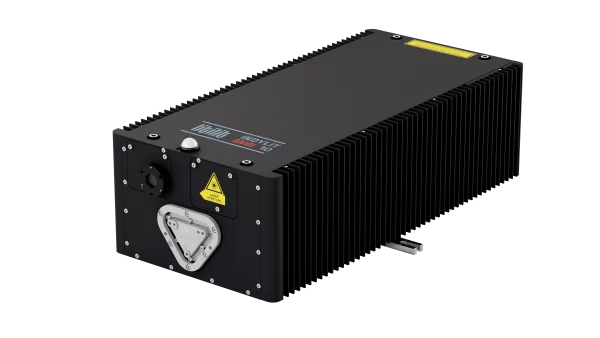
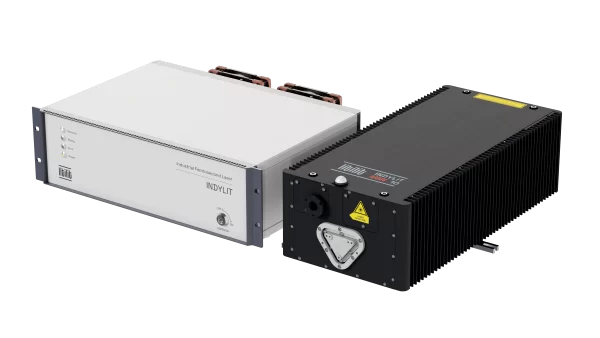
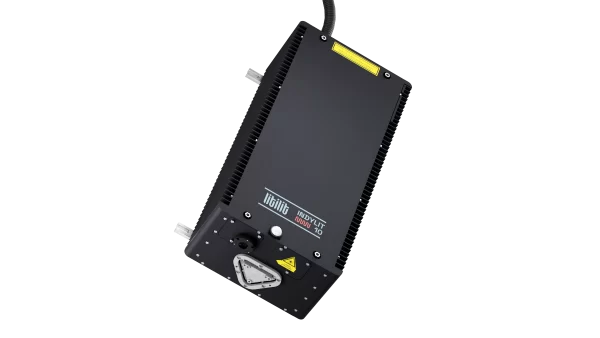
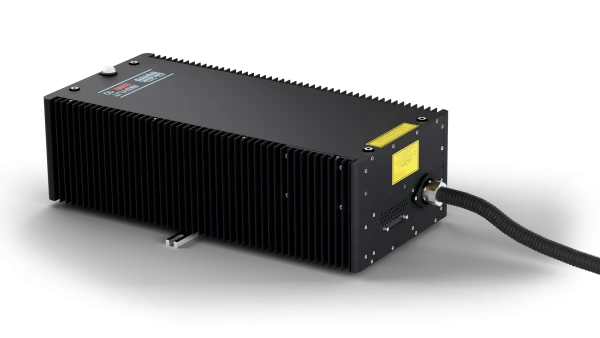
10 W and up to 100 µJ pulses for micro-drilling and fine cutting of metals, ceramics and polymers.
 380 fs pulses
 1030 nm
 Passively air cooled

Ship parts and drawings to our Vilnius application lab. We process them to spec and return measurements, microscope images and parameters.
Tell us the material and the result you need. A laser engineer replies within [response time].
Ask about lead times, volume pricing, supply capacity and long-term availability.
Request a quote